



Some filters could not be applied and were reset.
-
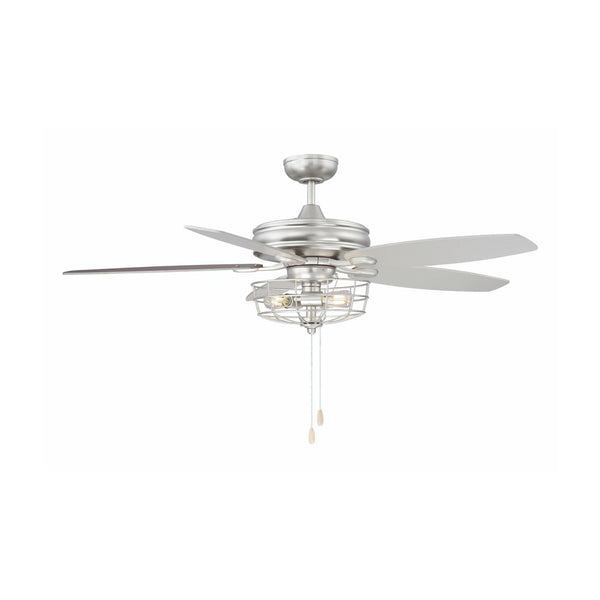 Sale Meridian M2006 Ceiling Fan $309.60
Regular price $387.00 -
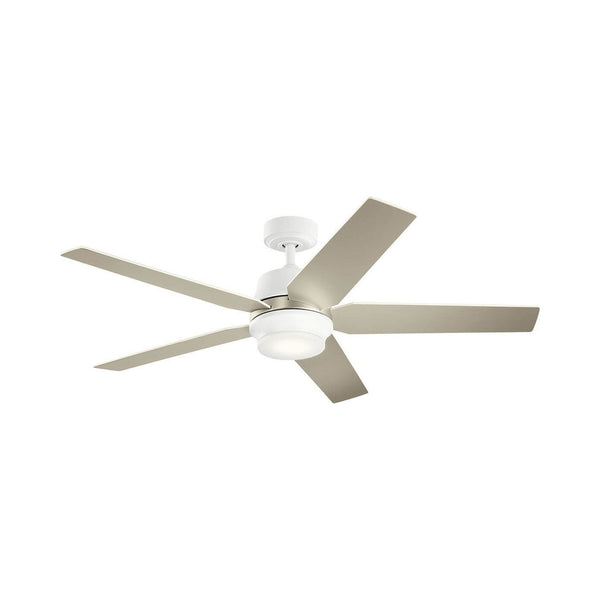 Maeve LED Ceiling Fan $449.97 Add to cart
-
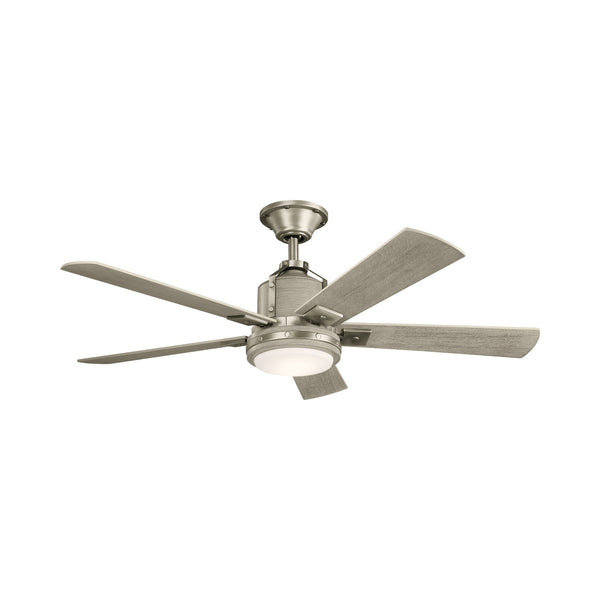 Colerne LED Ceiling Fan $669.97 Add to cart
-
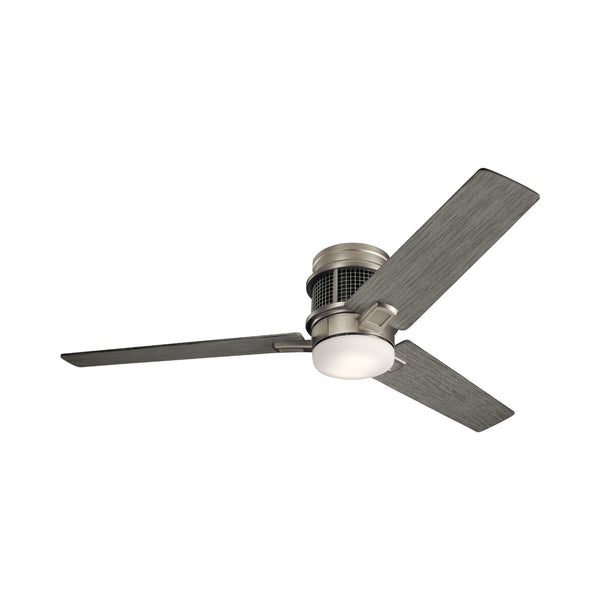 Chiara LED Ceiling Fan $479.97 Add to cart
-
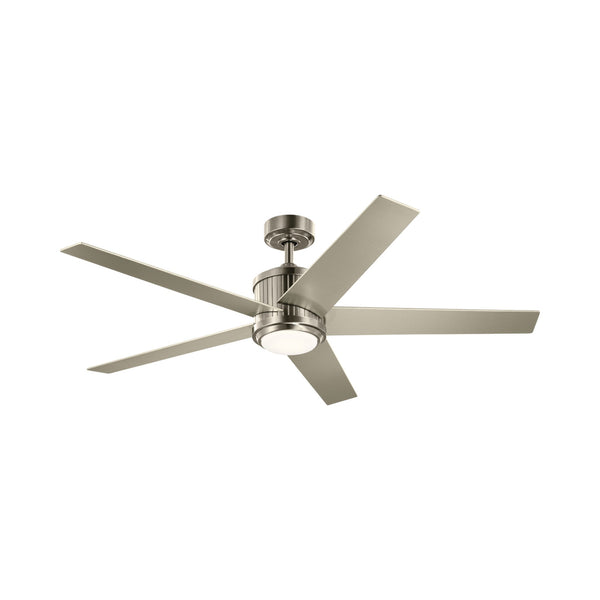 Brahm LED Ceiling Fan $449.97 Add to cart
-
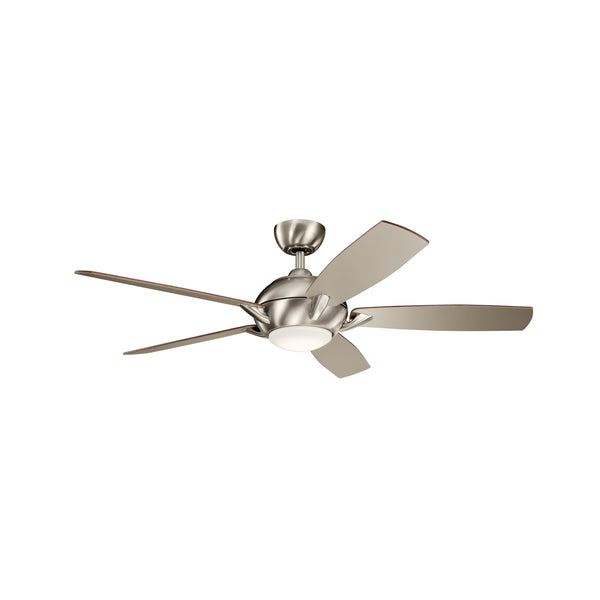 Geno LED Ceiling Fan $389.97 Add to cart
-
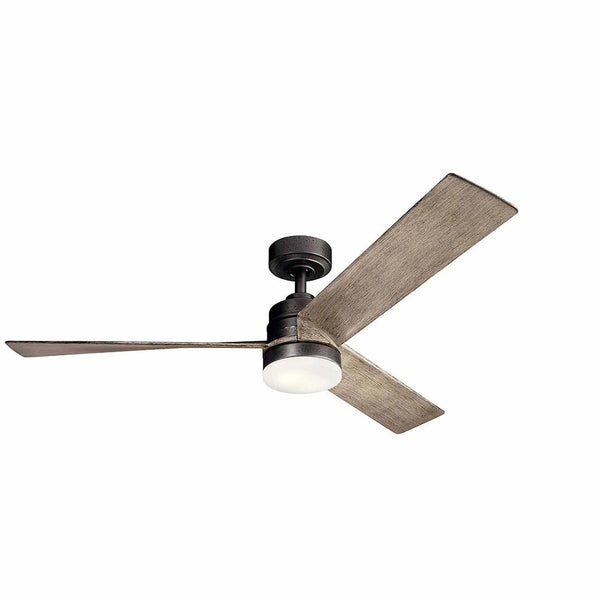 Spyn LED Ceiling Fan $414.97 Add to cart
-
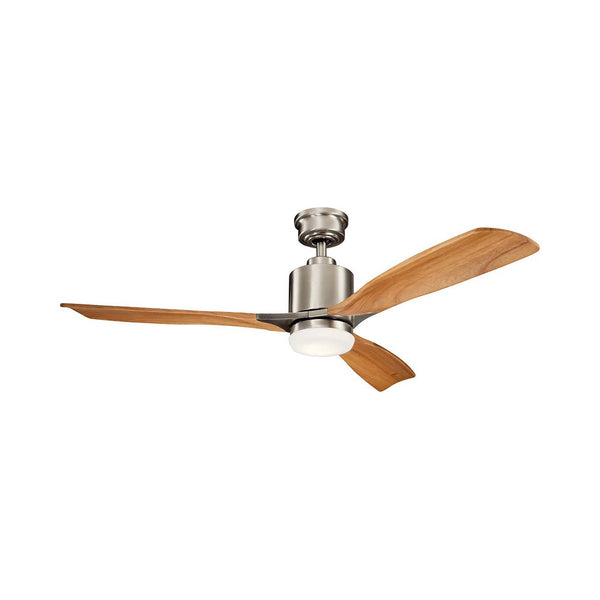 Ridley II LED Ceiling Fan $559.97 Add to cart
-
 Sale Discus Classic Smart LED Ceiling Fan $296.65
Regular price $349.00Add to cart -
 Sale Clarity Max LED Ceiling Fan $332.66
Regular price $499.00Add to cart -
 Sale Clarity LED Ceiling Fan $407.15
Regular price $479.00Add to cart -
 Sale Clarity II LED Ceiling Fan $292.66
Regular price $439.00Add to cart -
 Sale Alba LED Ceiling Fan $466.65
Regular price $549.00Add to cart -
 Sale Vision LED Ceiling Fan $407.15
Regular price $479.00Add to cart -
 Sale Syrus LED Ceiling Fan $254.15
Regular price $299.00Add to cart -
 Sale Clean LED Ceiling Fan $495.20
Regular price $619.00Add to cart


RECENTLY VIEWED
Ceiling Fans with Lights: Air and Light from One Fixture
Most rooms get exactly one electrical box in the center of the ceiling, and a ceiling fan with a light makes that box do two jobs. The fan moves air so the room feels cooler in summer, then runs in reverse at low speed in winter to push warm air back down from the ceiling. The light kit handles general illumination from the same spot, which matters most in bedrooms, home offices, and older homes where adding a second ceiling fixture means opening drywall. The fans below are grouped by how they mount and how they run: low-profile huggers for standard ceilings, downrod fans for taller rooms and larger spans, and DC-motor and smart models that sip power and answer to an app.
Flush-Mount & Hugger Fans
A hugger fan mounts close to the ceiling without a downrod, making it useful where ceiling height is limited. Confirm the model's minimum ceiling height and keep the blades at least 7 feet above the floor. Close mounting can reduce airflow, so compare rated performance as well as blade span.
- Era Hugger LED Ceiling Fan by Generation Lighting: A compact 32" three-blade hugger in steel, glass, and plywood, offered in Brushed Nickel with American Walnut, Burnished Brass with Matte White, all Matte White, or Midnight Black with American Walnut. Two A19 LED lamps at 3000K and 90 CRI are included, and the fan is damp-rated, Energy Star certified, and Title 24 compliant, which suits small bedrooms, nurseries, and covered porches. Mood: mid-century and compact, sized for the room that usually gets skipped.
- Ikon Hugger LED Ceiling Fan by Visual Comfort Fan: A clean three-blade profile in 32", 44", or 52" spans, with finishes including Burnished Brass, Matte White, Midnight Black, Aged Pewter, and Brushed Steel depending on size. The integrated 90 CRI LED keeps the profile tight to the ceiling; the 52" model moves up to 4,923 CFM for a primary bedroom or family room, and the motor carries a lifetime warranty. Mood: the hugger that does not look like a compromise.
- Punt Tub Ceiling Fan by Faro Barcelona: Faro Lab's cylindrical housing sits close overhead, with three 52" blades in Maple, Walnut, Matt White, or Matt Black against a Matt White or Matt Black body. It moves up to 6,318 CFM on 28 watts at full speed, and the optional light kit is 0-10V dimmable with selectable 3000K, 4200K, or 6500K color. Mood: Barcelona minimalism with serious airflow.
Standard & Downrod Fans
A downrod drops the fan into the room so air has space to reach the blades from above. It is the right choice for ceilings 9 feet and taller, for sloped ceilings, and for larger spans that need clearance between the blade tips and the ceiling plane.
- Light Wave LED Ceiling Fan by Minka Aire: Three sculpted, variable-pitch blades curve around an integrated LED lens, offered in Coal, Distressed Koa, Driftwood, Silver, or White at 44", 52", or 65". The 65" version moves 5,718 CFM and puts out 1,883 lumens at 3000K and 93 CRI, and every size is sloped-ceiling compatible with a remote included. Mood: a wave caught mid-turn.
- Alessandra Indoor / Outdoor LED Ceiling Fan by Matthews Fan Company: A cylindrical motor and three blades at 42", 56", or 72", with five body finishes and seven blade finishes including Barn Wood, Gray Ash, and Walnut. It is wet-rated for open porches and pavilions, accepts downrods from 5" to 72", and its integrated LED switches among five color temperatures from 2700K to 6500K, backed by a limited lifetime warranty. Mood: indoor polish that can live outside.
- LeatherLuxe DC LED Ceiling Fan by Modern Fan Company: Dave Ellis wrapped the die-cast aluminum motor housing in leather, in Black, Chocolate, or Tan over Dark Bronze, Ivory over Gloss White, or Gray over Graphite, then paired it with CNC-milled solid-wood blades on a 54" span. A six-speed reversible DC motor draws 2.5 watts on low and about 30 on high, and the 980-lumen LED light kit is dimmable. Mood: saddle leather on a working machine.
Smart & DC Motor Fans
A DC motor uses a fraction of the energy of a standard AC motor, especially at low speeds, and usually adds more speed settings and quieter operation. Add Wi-Fi or app control, and the fan can follow a schedule instead of a pull chain.
- Baylor Ceiling Fan by Kuzco Lighting: Three contoured wood blades span 60" on a steel frame, in Matte Black with Dark Walnut or Natural Wood, or all White, with or without the light kit. At full speed, it moves 6,172 CFM on 32 watts, and the optional LED kit dims to 10 percent with five selectable color temperatures from 2700K to 5000K. Damp-rated, with a steep 16-degree blade pitch. Mood: coastal timber, scaled for a great room.
- Speck Smart LED Flush-Mount Ceiling Fan by Hinkley: A clean cylindrical housing with three reversible wood blades on a 52" span, in Heritage Brass, Matte Black, or Matte White. Its six-speed DC motor has Wi-Fi built in and runs from the included HIRO control or the Hinkley Home Automation app, drawing just over 2 watts on low, with a 1,320-lumen LED at 3000K and a lifetime motor warranty. Mood: smart out of the box, no hub required.
- Reese Smart LED Ceiling Fan by Visual Comfort Fan: Designer Marie Flanigan centered a circular LED beneath three gently shaped blades on a 52" span, with fine detailing around the housing. The 1,500-lumen light switches among six color temperatures from 2700K to 6500K, and the Energy Star-rated fan runs on under 3 watts at its lowest setting. Damp-rated and Title 24 compliant. Mood: tailored enough to be a bedroom's only fixture.
Key Features to Consider
Once a fan is up, span and mounting height matter more than style. These are the specs worth checking on every product page before you buy.
|
Feature |
What to check |
Why it matters |
Rule of thumb |
|
Blade span |
Diameter across the blade tips |
Too small and air never reaches the edges of the room |
Up to 144 sq ft: 36" to 44". 144 to 225 sq ft: 44" to 52". 225 to 400 sq ft: 52" to 60". Over 400 sq ft: 60" and up, or two fans |
|
Mounting height |
Ceiling height and downrod length |
Blades need floor clearance, and a fan pressed against the ceiling moves less air |
Blades at least 7' off the floor, ideally 8' to 9'. Hugger for 8' ceilings, 6" downrod at 9', 12" at 10', 18" to 24" at 11' to 12' |
|
Motor type |
AC or DC |
DC motors draw far less power at low speed and usually add more speeds |
Choose DC for bedrooms and any fan that runs overnight |
|
Airflow efficiency |
CFM per watt at high speed |
Shows how much air you get for the energy used |
Compare fans of similar span; a higher number is better |
|
Light output |
Lumens, color temperature, CRI |
A fan light is often the main light in the room |
1,000 lumens or more if it is the only fixture; 2700K to 3000K for living spaces; 90 CRI or better |
|
Location rating |
Dry, damp, or wet listing |
Moisture corrodes motors and can void the warranty |
Damp for bathrooms and covered porches; wet anywhere rain can reach |
|
Controls |
Pull chain, remote, wall control, or app |
Decides whether fan and light can be switched separately |
Use a wall/remote combo when there is only one switch leg to the ceiling |
Measure the room, not the fan: Multiply length by width and size the blade span from the table above. In a long, narrow room, two smaller fans spaced along the long axis move air more evenly than one large one.
Downrod length changes airflow: Blades with more space above them can draw more air. The Alessandra's 56" span, for example, is rated at 6,238 CFM on a 5" downrod and 7,259 CFM on a 10" downrod.
Account for the light kit: A light kit adds several inches below the motor. On an 8-foot ceiling, check the overall fixture height so the lowest point stays comfortably above head height.
Frequently Asked Questions
Do I need a special electrical box for a ceiling fan?
Yes. A ceiling fan must hang from an electrical box or brace listed as fan-rated, because a standard light fixture box is not built for the weight and constant vibration of a running fan. If you are replacing an existing light, check the box before installation and add a retrofit fan brace if it is not rated.
Which way should a ceiling fan spin in winter?
Clockwise at low speed, looking up. That draws air up through the blades and pushes warm air that collects at the ceiling down along the walls without creating a draft. In summer, switch to counterclockwise at a higher speed for a cooling breeze.
Why does the light flicker when the fan is running?
When the light source sits above or level with the blades, the moving blades pass through the light and create a strobe effect. Fans with the light mounted below the blade plane avoid it. Also dim the light only with the fan's own control: a standard wall dimmer is not designed for a fan motor and can damage it.


